


Retinol, retinal, HPR, bakuchiol... Which one should I choose for my skin?
There are some ingredients that span decades without ever leaving the spotlight. Retinol is one of them. Since the 1980s, it has held the same status as surgical retinoids or hyaluronic acid in the dermatological vocabulary: that of active ingredients whose effectiveness is well-established, provided they are used in the right dosage. But the family has grown. Retinal, HPR, bakuchiol—each claims its place on the bathroom shelf, and it is becoming difficult to know which one truly deserves its spot.
One family, different speeds
All these active ingredients belong to the large family of retinoids, which are derivatives of vitamin A. Their mechanism is identical: to accelerate cell renewal, boost collagen production, and restore the density and radiance to the skin that we rightly associate with youth. What changes from one form to another is the speed at which the skin manages to activate them—and therefore, the fine line between spectacular results and skin sounding the alarm.
Retinol remains the benchmark, the one with which we generally begin a history with retinoids. Patient and formidably well-documented, it simply requires time—and a well-constructed routine built around it.
Retinal, or retinaldehyde, is its more hurried cousin. One less conversion step is enough to make it significantly more incisive—a choice reserved for skin already accustomed to the practice.
HPR is the most recent revelation from laboratories: a molecule that binds directly to its receptors without metabolic detour, and which has the rare characteristic of combining effectiveness with tolerance. This reshuffles the deck for skin that, until now, had resigned itself to going without vitamin A.
Finally, bakuchiol does not even belong to the retinoid family—it is an extract of Psoralea corylifolia, a plant used for centuries in Ayurvedic medicine, which research has recently enabled to "speak the same language" as retinol. The clinical studies that compared them head-to-head are conclusive on one point: comparable results on wrinkles and complexion, for significantly higher tolerance.
The right active ingredient is the one your skin can tolerate
There is a persistent misconception in skincare: that the most powerful product is necessarily the most effective. This overlooks the fact that an poorly tolerated active ingredient is one that we eventually abandon at the bottom of a drawer. The real question is therefore not "which one is the strongest," but "which one will my skin be able to integrate in the long term."
For sensitive skin, prone to redness, or for those just discovering the topic, bakuchiol or HPR offer a gentle introduction. For skin already used to acids and exfoliants, classic retinol remains a safe bet. For skin accustomed to the practice, seeking visible results on texture or pigment spots, retinal—or even, under dermatological prescription, retinoic acid—paves the fastest way.
The art of dosage
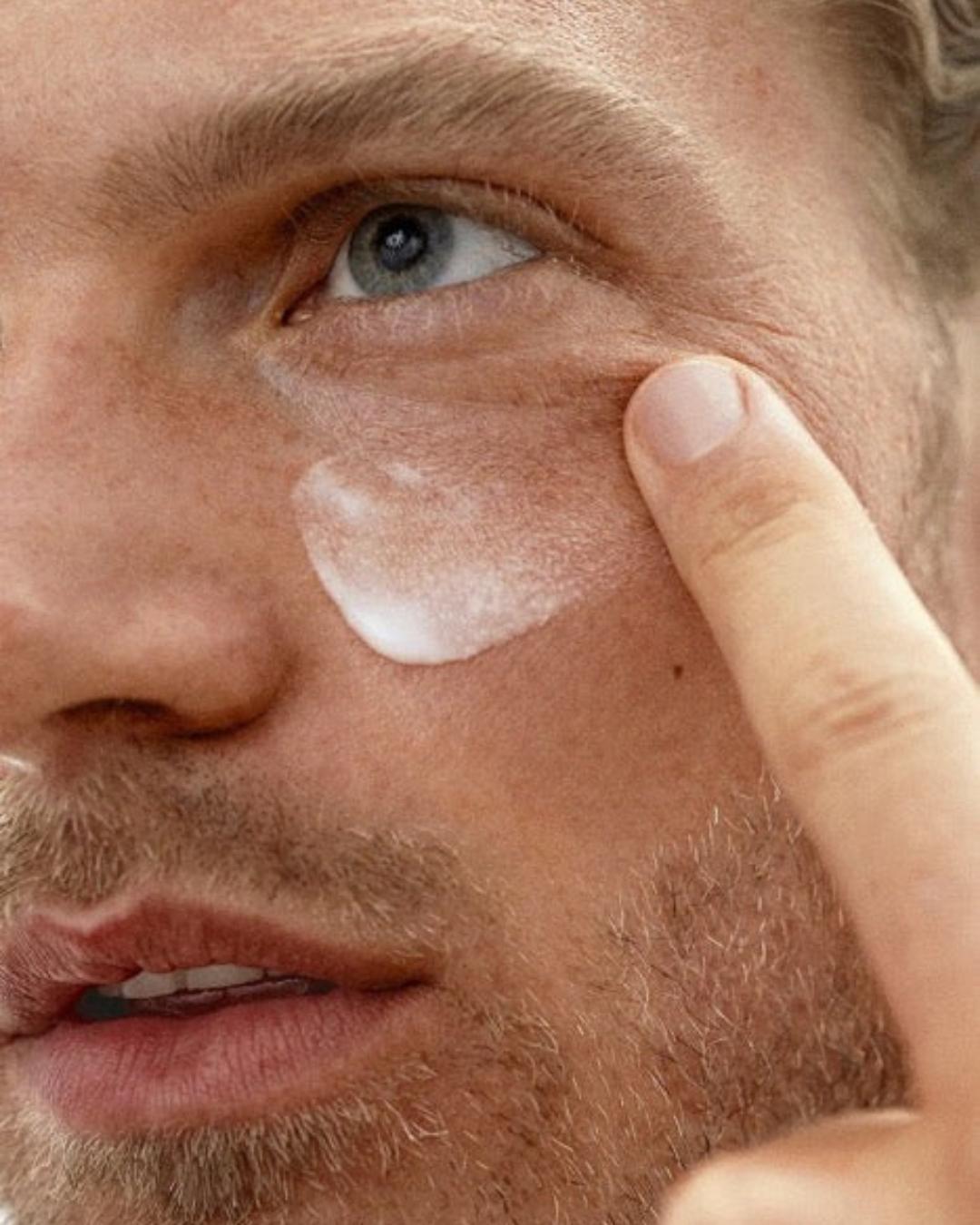
Retinol must be earned. It should be introduced in the evening, on perfectly dry skin, in a minimal amount—a pea-sized drop is more than enough for the entire face. Start with one or two weekly applications, never more, while the skin gets its bearings. Purists apply a layer of moisturizer first to cushion the transition, a technique that has proven itself without sacrificing any effectiveness.
One thing is non-negotiable: the next morning, sun protection. Photosensitized by the treatment, the skin does not forgive any unprotected exposure. As for fruit acids or pure vitamin C, it is better never to have them coincide with the retinoid on the same evening—reserve each for its own night.
An adjustment phase, involving slight redness or subtle peeling, is common in the first few weeks. It is not a failure: it is the time the skin takes to adapt to this new rhythm. If discomfort persists, space out the applications rather than giving up—consistency always takes precedence over intensity.
Pregnancy: the exception that allows for no improvisation
On this subject, there is no room for approximation: retinoids, in all their forms, are classically advised against during pregnancy and breastfeeding, as a precaution. The advice of a healthcare professional takes precedence over any beauty advice, however well-informed it may be. Bakuchiol, in this specific context, often stands out as the most consensual alternative—to be validated, always, with your doctor or midwife.
What European regulations are changing
Since November 2025, Europe has tightened the authorized concentrations of vitamin A in cosmetics sold within its territory. An adjustment that explains why some formulas now feature more measured dosages than before—a guarantee of enhanced safety, not a rejection of efficacy.
Sources: European regulation on vitamin A in cosmetics (effective as of November 2025); comparative study on bakuchiol/retinol by Sivamani et al. (2019).
